

La rinascita della mixology a Montréal affonda le sue radici nella seconda metà degli anni 2000, quando un ristretto gruppo di locali pionieristici iniziò a trasformare la cultura del bere in città, andando ben oltre il tradizionale concetto di cocktail bar. Il Plateau Lounge del W Hotel introdusse un approccio sofisticato, incentrato sulla qualità degli ingredienti, in un elegante contesto alberghiero. Contemporaneamente, Le Lab, su Mont-Royal, si affermò come uno dei cocktail bar più influenti del Canada: un locale guidato dai bartender, celebre per gli sciroppi e i succhi preparati in casa. La Distillerie contribuì invece a rendere il movimento più accessibile e popolare grazie ai suoi creativi cocktail serviti nei caratteristici barattoli Mason. Su queste solide fondamenta si sviluppò una nuova generazione di locali. Cloakroom portò l'esperienza della mixology a un livello superiore, proponendo un'ospitalità su misura in perfetto stile speakeasy. The Coldroom introdusse nel cuore della Vecchia Montréal un connubio di impeccabile tecnica e teatralità, mentre Atwater Cocktail Club divenne il punto di riferimento del quartiere Sud-Ovest, grazie a una proposta stagionale fortemente ispirata al terroir del Québec. Ancora oggi questi tre locali rappresentano le principali icone della scena cittadina, affiancati da realtà più recenti come Marcus Night Bar, Bisou Bisou, Bar Bello e Bar Numero. Lo conferma Kate Boushel di Groupe Barroco, il gruppo proprietario di Atwater Cocktail Club, tra le figure più rappresentative del settore. Descrivendo ciò che rende Montréal così speciale, afferma: «Montréal è da sempre conosciuta per la vita notturna. Qui non esistono soltanto pochi quartieri dove vivere esperienze straordinarie nei bar: l'intera città è costruita attorno ai suoi diversi quartieri, ognuno dei quali offre una straordinaria varietà di luoghi dove gustare ottimi cocktail e una cucina capace di farti chiedere perché mai dovresti cucinare a casa. I cocktail bar si sono evoluti molto nell'ultimo decennio, ma per chi sapeva dove cercare sono sempre esistiti».
Cocktail su misura da Cloakroom
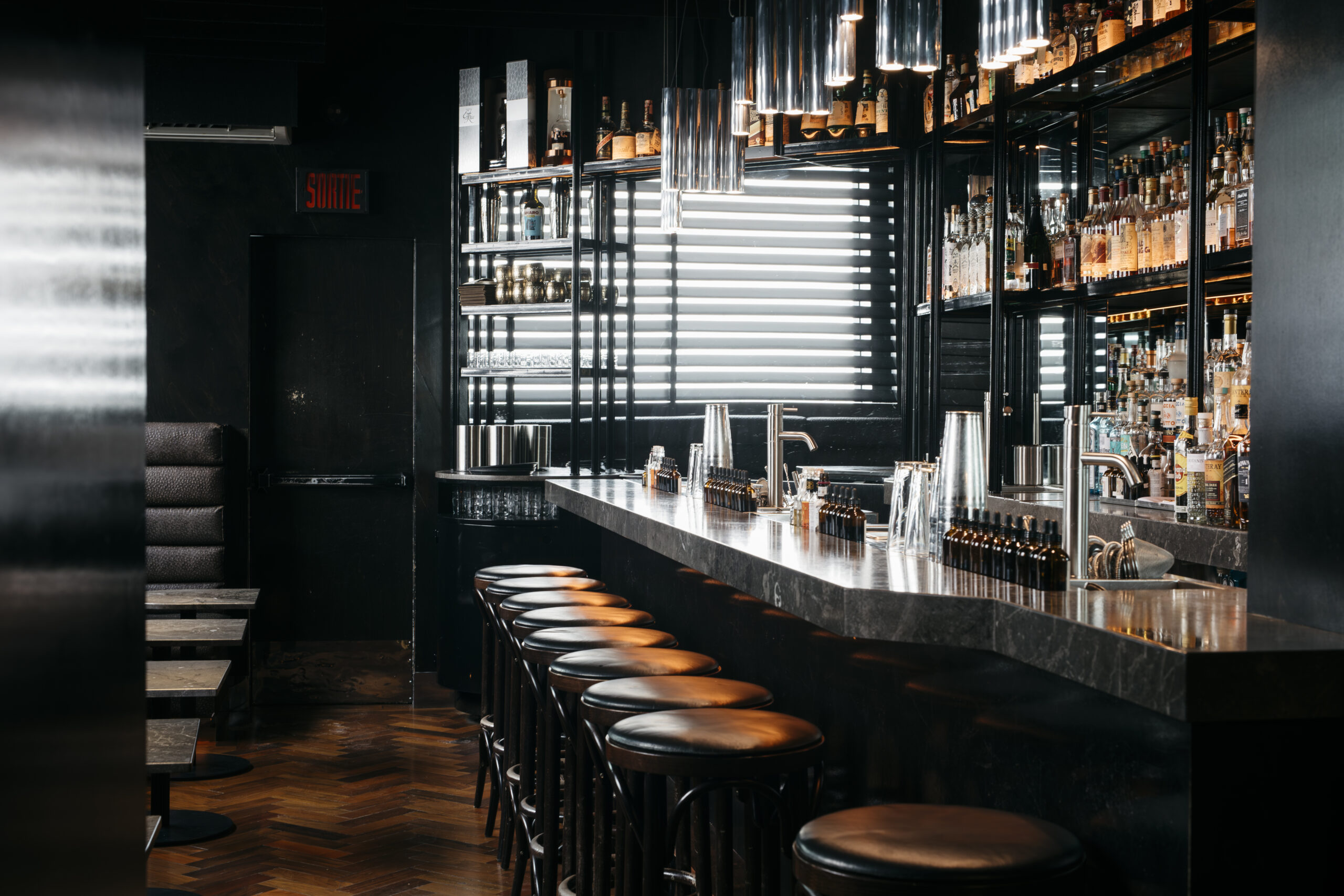
Alcuni cocktail bar impressionano con menu di quaranta pagine, guarnizioni elaborate e spettacolari preparazioni al tavolo. Cloakroom sceglie la direzione opposta: niente menu, niente prenotazioni e nessuna messa in scena. Tutto ruota attorno a un concetto mutuato dall'alta sartoria: ogni cocktail viene realizzato su misura. Non è un caso che il locale si trovi nascosto dietro una boutique di abbigliamento maschile nel prestigioso Golden Mile di Montréal.
L'esperienza comincia ancora prima di entrare. Un membro dello staff compare accanto al negozio e accompagna gli ospiti all'interno; da quel momento tutto è costruito intorno alle sue preferenze. L'ambiente, con appena venticinque posti a sedere, richiama autenticamente l'epoca del Proibizionismo: boiserie in legno scuro, illuminazione soffusa e ritratti di eleganti gentiluomini che decorano il corridoio d'ingresso.
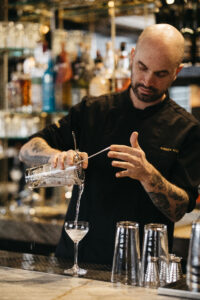
Andrew Whibley inaugurò Cloakroom nel 2015, dopo essersi trasferito da Brisbane a Montréal con un progetto ben preciso. Il suo curriculum era già di altissimo livello - tre volte finalista nazionale del World Class Canada e vincitore dell'Hennessy Global Award nel 2015 - ma l'obiettivo del locale non era collezionare premi, bensì costruire un modo di lavorare fondato sulla ricerca maniacale delle materie prime, sulla profonda conoscenza della storia del cocktail e sull'assoluta assenza di scorciatoie. L'assenza del menu non è una trovata di marketing. Costringe i bartender a capire cosa desidera il cliente, spesso prima ancora che lo sappia lui stesso. Per farlo possono contare su circa cinquanta tinture prodotte internamente, amari e liquori artigianali, ingredienti distillati con rotavapor e una collezione di circa duecento bottiglie di distillati vintage raccolte nell'arco di dieci anni. Basta descrivere uno stato d'animo o un profilo aromatico, e il bartender costruirà il cocktail di conseguenza. Pur non avendo una vera lista di signature drink, Andrew indica come suo cocktail preferito l'Ofish, un drink dal carattere deciso che unisce la base vanigliata del bourbon all'amaro erbaceo dell'amaro, completato da tinture di camomilla e pimento.
Nel frattempo Whibley ha ampliato il proprio progetto imprenditoriale inaugurando Bar Dominion, cocktail pub specializzato in ostriche nel centro città; Le 9e, ristorante gastronomico con cocktail bar al nono piano dell'Eaton Centre; e French Line, moderno cocktail bar di ispirazione francese. Oggi è considerato uno dei protagonisti che più hanno contribuito a definire l'identità della scena dei cocktail bar di Montréal.
«Da Cloakroom non prepariamo mai cocktail pre-batch - afferma Whibley -. I nostri bartender vengono formati soprattutto sulla costruzione del drink e sull'equilibrio dei sapori, così da avere la libertà di intervenire su quasi ogni elemento senza comprometterne la struttura. Le nostre tinture ci permettono di aggiungere ulteriori livelli di complessità aromatica mantenendo perfettamente bilanciato il cocktail».
The Coldroom: lo speakeasy nascosto in un vicolo
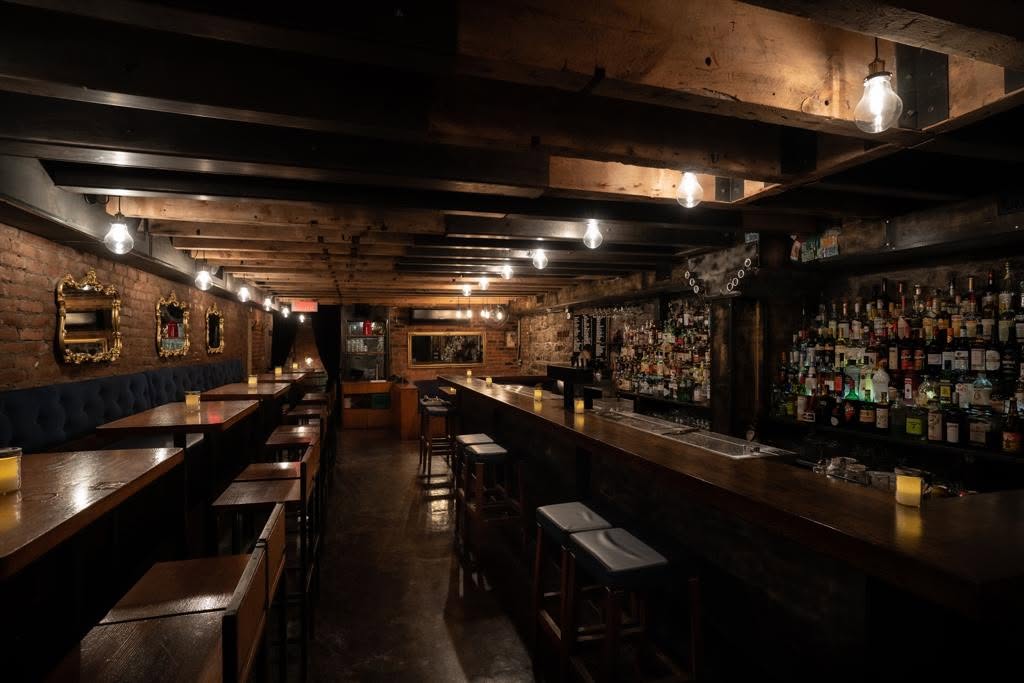
C'è solo un vicolo stretto nel cuore della Vecchia Montréal, una semplice porta nera incastonata nella pietra secolare e un campanello d'ottone. Suonatelo, aspettate e, se la porta si apre, avete trovato The Coldroom. Situato nei sotterranei di un magazzino frigorifero del XIX secolo all'angolo tra Saint-Vincent e Saint-Amable, il locale nacque nel 2016 da un'idea di Kevin Demers, figura di spicco dell'ospitalità montréalese e creatore di alcuni dei locali più amati della città. The Coldroom rappresenta forse la sintesi più pura della sua filosofia: l'esperienza dell'ospite inizia molto prima dell'arrivo del primo drink, dal momento in cui si scopre l'ingresso nascosto fino a quello in cui si viene accolti per nome.
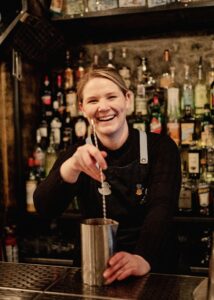
A guidare il bar c'è Sally Groves, originaria di Sydney, che porta con sé oltre quindici anni di esperienza maturata in tre continenti e una profonda competenza sia nel mondo del whisky sia nella mixology. Da quasi tre anni supervisiona The Coldroom e El Pequeño Bar, dirigendo una squadra che riflette pienamente il suo approccio: curiosa, rigorosa e autenticamente orientata all'ospitalità.
Come i colleghi del Cloakroom, anche i bartender di The Coldroom lavorano secondo standard estremamente elevati. Ognuno deve conoscere almeno 110 cocktail classici, non soltanto nel nome, ma anche nelle proporzioni, nella storia e nelle varianti. Il menu si sviluppa attorno a tre pilastri fondamentali: grandi classici eseguiti con precisione impeccabile, signature cocktail stagionali e creazioni originali ispirate ai ricordi e alle conversazioni.
Alla domanda sul suo drink preferito dell'attuale carta, Sally indica il Deathmark, un cocktail che si colloca a metà strada tra un Black Manhattan e uno Stinger. La ricetta combina Cognac VS infuso con fave di cacao, Dubonnet, Cynar e crème de menthe, dando vita a un drink morbido, leggermente amaro e perfetto da sorseggiare lentamente dopo cena. Qual è il segreto della longevità di The Coldroom? Secondo Sally, tutto si riduce a due concetti fondamentali: accessibilità e autenticità. «Ciò che mi entusiasma di più - dice - è vedere il team di Coldroom crescere e condividere le proprie conoscenze con gli ospiti. Tutto ruota attorno alla creazione di connessioni e alla condivisione di storie. Una parte importante della nostra clientela è composta da turisti, e questo ci offre l'opportunità non solo di trasmettere il nostro amore per i grandi drink, ma anche quello per Montréal».
Atwater Cocktail Club: la discoteca francese d'altri tempi
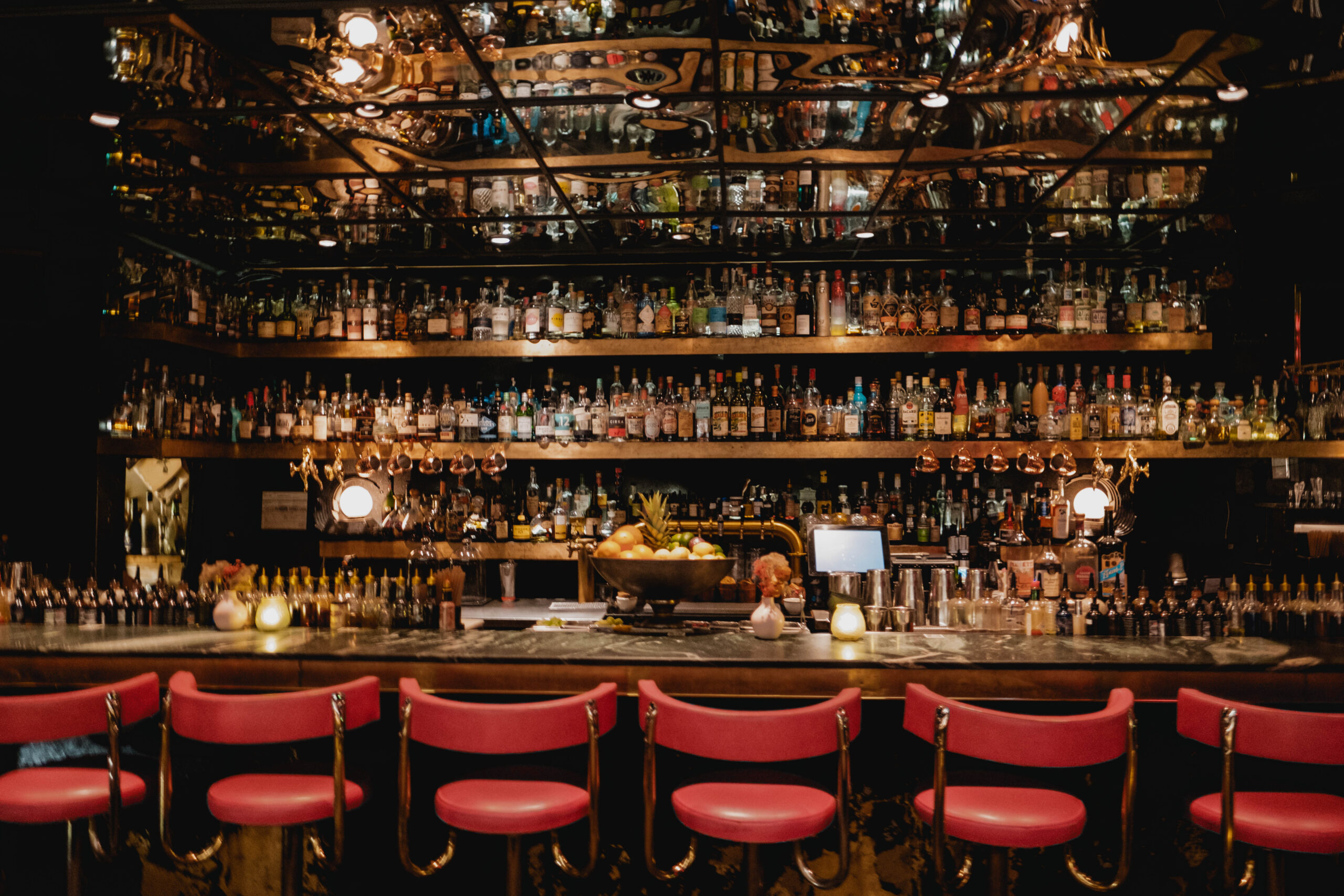 Anche gli appassionati più esperti di speakeasy potrebbero avere difficoltà a trovare l'ingresso dell'Atwater Cocktail Club (ACC). Una volta entrati, però, la ricompensa è immediata: marmo elegante, divanetti argentati lucidi e soffitti specchiati che riflettono la luce delle candele, evocando l'atmosfera sofisticata di una discoteca francese d'altri tempi. Fondato nel 2016 come locale di quartiere, ACC si è trasformato in uno dei cocktail bar di destinazione più importanti di Montréal e nell'ammiraglia del Groupe Barroco. Nonostante il successo, ha mantenuto la propria anima locale grazie ai numerosi habitué che continuano a frequentarlo per il tradizionale cinq à sept del tardo pomeriggio.
Alla guida del progetto troviamo Kate Boushel, partner del gruppo e direttrice della formazione e delle partnership strategiche di Groupe Barroco. Bartender pluripremiata con oltre quindici anni di esperienza, Kate ha seguito un percorso professionale insolito: dopo aver lasciato temporaneamente il settore per lavorare nella pubblica amministrazione e nelle relazioni pubbliche, la passione per l'ospitalità l'ha riportata dietro il bancone. Oggi è sostenitrice di un'industria più inclusiva, promuovendo mentorship e condivisione delle conoscenze. «Per quanto ACC si presenti come un classico cocktail bar, è stato concepito anche come punto di riferimento per il quartiere. Qui i residenti possono incontrarsi, sentirsi a proprio agio negli spazi pubblici, ritrovare volti familiari e fare nuove conoscenze, mentre gli ospiti provenienti da vicino e da lontano possono vivere un'esperienza di alto livello. È un locale che si trasforma nel corso della serata man mano che si riempie, e i nostri DJ del weekend contribuiscono a mantenere alta l'energia fino a notte fonda».
La sostenibilità è parte integrante del dna di ACC. Le preparazioni vengono centralizzate tra i cinque locali del gruppo per ridurre gli sprechi: lo champagne sgasato viene trasformato in sciroppi artigianali, mentre le polpe di frutta trovano nuova vita come guarnizioni. Anche il menu riflette questa attenzione: ispirato ai campionari di colori utilizzati dai designer, è stampato su carta sintetica impermeabile e associa un colore specifico a ogni cocktail. Gli ingredienti sono riportati in francese e in inglese, con gradazione alcolica e simboli dedicati alle versioni analcoliche. La proposta creativa si fonda su cocktail eleganti e tecnicamente raffinati, che impiegano fermentazioni, emulsioni e carbonazioni, supportati da una selezione di oltre seicento distillati e da numerose creazioni originali.
Il cocktail preferito di Kate in questo momento è La Récolte: «La Récolte è un milk punch setoso e dalle note tostate che combina pandan, datteri cinesi e Calvados, chiarificato con latte di cocco infuso ai biscotti Graham. Il cocktail viene servito insieme a un biscotto al dulce de leche e a una quenelle di gelato al pandan realizzata con la ricotta avanzata dal processo di preparazione del milk punch».
I due volti del Marcus Night Bar
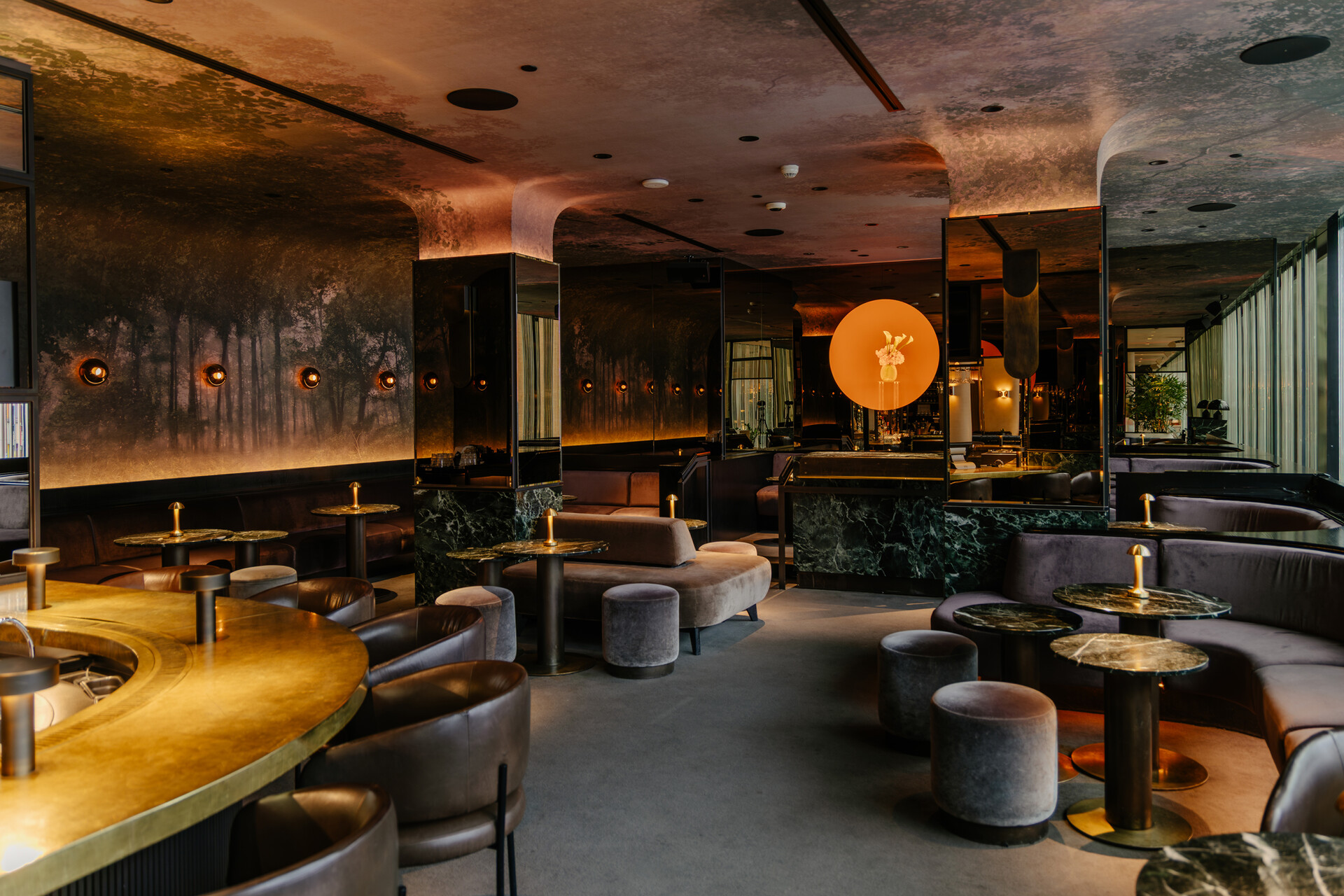
Dal 2019, il Marcus Night Bar è uno dei protagonisti della vita notturna del Golden Square Mile, all'interno del Four Seasons Hotel Montréal. In pochi anni si è affermato come uno dei locali più apprezzati della città, capace di coniugare una mixology di alto livello con un ambiente raffinato e l'energia tipica delle notti montréalesi. Lo spazio è imponente: oltre 850 metri quadrati distribuiti al terzo piano dell'hotel, articolati tra lounge, cocktail bar, ristorante e terrazza esterna. Ogni ambiente possiede una propria identità: la lounge trasmette un'atmosfera rilassata, ispirata all'oceano, mentre il bar offre un'esperienza più intima e coinvolgente.
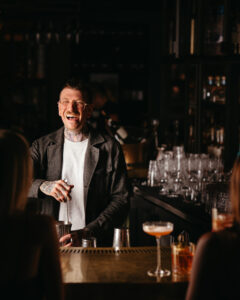
Se il Marcus si è imposto fin dall'apertura come una delle nuove destinazioni di riferimento, la sua identità si è ulteriormente evoluta sotto la guida di Jay Lawson, attuale head of mixology. Con una formazione in chimica e una naturale inclinazione per la sperimentazione, Lawson interpreta la miscelazione con un approccio scientifico e al tempo stesso teatrale, facendo largo uso di fermentazioni, tecniche avanzate e cocktail costruiti come vere e proprie narrazioni ispirate al territorio.
Questa filosofia ha raggiunto la piena maturità nel novembre 2025, quando Jay ha presentato una nuova carta, composta da dodici signature cocktail e tre proposte analcoliche. Ogni drink rappresenta una reinterpretazione contemporanea di un grande classico. Gli ingredienti vengono reperiti internamente ogni volta che è possibile, gli sprechi sono ridotti al minimo e ogni cocktail è concepito come un'esperienza multisensoriale, grazie all'impiego di schiume leggere, vapori aromatici e altre tecniche che amplificano il coinvolgimento dell'ospite.
Tra le creazioni più rappresentative figura il Golden Square Mile Highball, preparato con Glenfiddich 12 anni, olio di sesamo, sake, acqua di cocco, pimento, carbonazione e foglie di lime. L'olio di sesamo esalta le note mielate dello Scotch, il sake dona delicatezza, mentre pimento e foglia di lime aggiungono freschezza e una speziatura vibrante. Grande attenzione è dedicata anche ai cocktail zero alcohol. «Per me i cocktail analcolici - spiega Jay - non rappresentano un compromesso. Sono un'opportunità per esplorare il gusto da una prospettiva completamente nuova. Invece di cercare di replicare fedelmente i grandi classici, preferisco costruire equilibrio e profondità attraverso acidità, amarezza, sapidità, consistenza e aromi. Oggi le persone cercano drink complessi e studiati, non semplici sostituti zuccherati». Questa filosofia prende forma nel Daybreak, una miscela fresca e delicatamente amara composta da Seedlip Grove, liquore alla genziana analcolico, verjus e salamoia di capperi e olive. Per chi desidera approfondire ulteriormente l'esperienza, dal giovedì al sabato il locale propone il Night Bar Cocktail Tasting, un percorso degustazione in cinque cocktail (in formato ridotto). Ogni cocktail appare come un dialogo tra ingrediente, tecnica e contesto. La formazione scientifica di Lawson emerge chiaramente: ogni sorso evolve progressivamente, rivelando consistenze e sapori inattesi ma perfettamente armonizzati.
La cultura dell'apéritif da Bisou Bisou
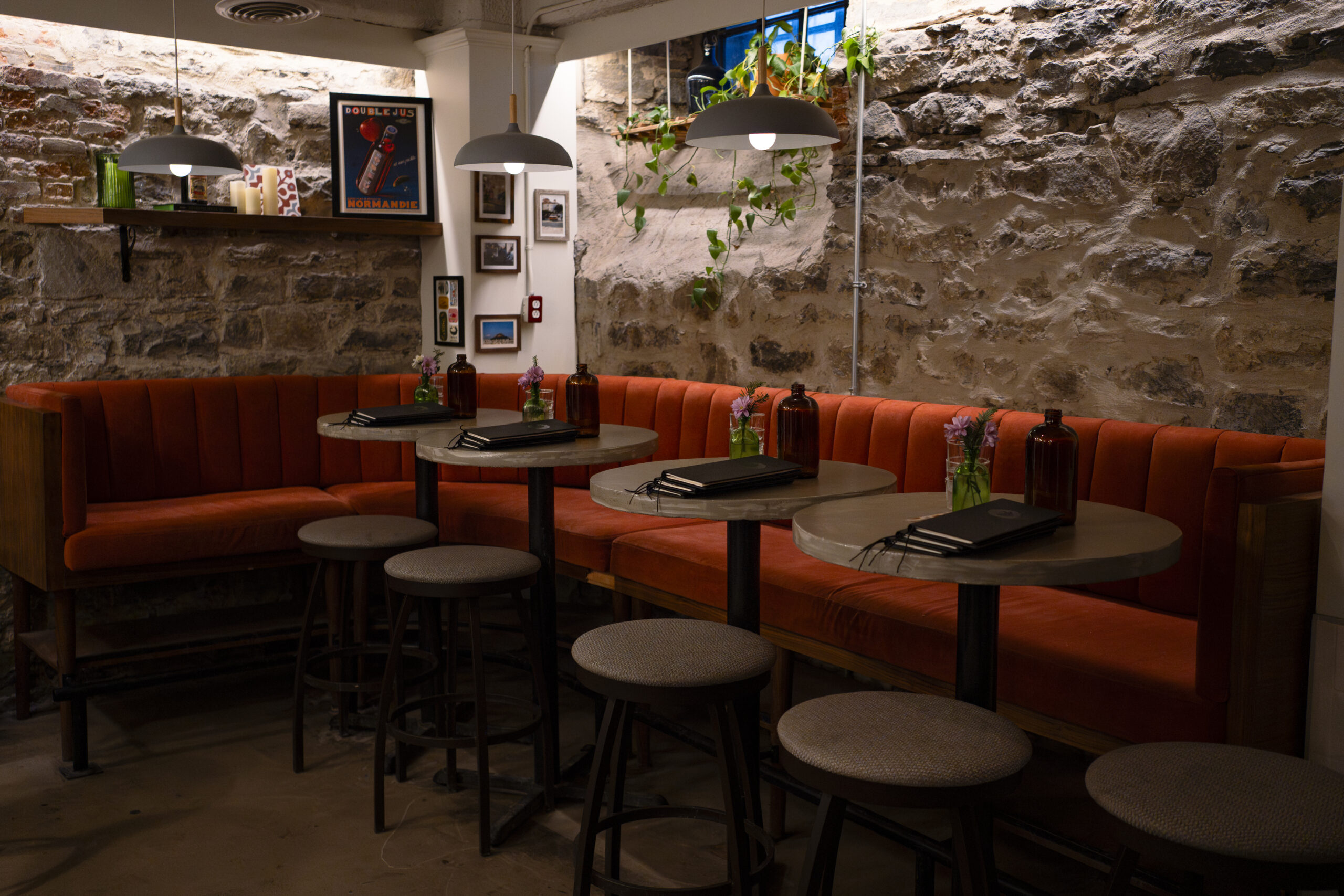 Fin dalla sua apertura nel 2023, Bisou Bisou ha costruito la propria identità attorno alla cultura dell'apéritif, quel rito dell'aperitivo che in gran parte d'Europa non è mai scomparso e che solo recentemente il Nord America sta riscoprendo. Situato in Rue Saint-Vincent, nella Vecchia Montréal, il locale pone al centro della propria proposta vini fortificati, vermouth, sherry e amari: categorie spesso trascurate a favore di distillati più popolari. L'ambiente è pensato per piccoli piatti da condividere e conversazioni senza fretta.
Bisou Bisou nasce dalla stessa squadra che ha dato vita ad alcuni dei locali più apprezzati della città: The Coldroom, El Pequeño Bar, Bar Bello, Sample e il Montreal Cocktail Fest.
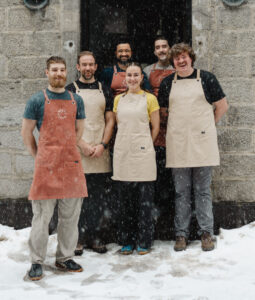
I fondatori, Rob Weeks, Gregory Buda e Kevin Demers, hanno costruito negli anni una serie di locali con una forte identità, e Bisou Bisou rappresenta probabilmente il progetto più essenziale e raffinato del gruppo.
La carta dei cocktail segue fedelmente la logica dell'aperitivo: drink luminosi, equilibrati, con una gradazione alcolica contenuta, pensati per aprire la serata piuttosto che concluderla. Le proposte low-Abv e analcoliche ricevono la stessa attenzione riservata a tutte le altre creazioni. Uno dei maggiori punti di forza del locale è la capacità di rendere accessibili categorie poco conosciute. Anche chi non ha mai bevuto uno sherry o conserva soltanto un vago ricordo del vermouth dei nonni può lasciarsi guidare verso qualcosa di sorprendentemente piacevole, senza sentirsi intimorito o giudicato. Il motto del locale, "apéritif culture and community for the curious" descrive perfettamente questa filosofia. «Vogliamo che gli ospiti scoprano nuove categorie senza sentirsi intimiditi, che si tratti dello sherry, del vermouth, dei cocktail a bassa gradazione o semplicemente di un modo diverso di iniziare la serata», aggiunge Gregory Buda. La gestione quotidiana del locale è affidata a Grace Honsberger-Grant, responsabile dell'ospitalità, del ritmo del servizio e dell'atmosfera generale, oltre che grande appassionata di amari. Il cocktail preferito del team è attualmente The Tripoli. «The Tripoli combina Lillet Blanc, gin e un Campari chiarificato attraverso un lavaggio con labneh preparato in casa, tecnica che rende il liquido limpido preservandone tutta l'intensità aromatica. Il drink viene arricchito con sedano fresco e una vivace nota acida, completato con acqua tonica e servito con un originale rim costituito da una miscela di sommacco, pepe nero, sale e acido tartarico. Fresco, delicatamente amaro e incredibilmente dissetante, si abbina alla perfezione al nostro pan y tomate, regalando un autentico momento di evasione pomeridiana». Nel tempo Bisou Bisou è diventato anche un punto di incontro per l'intera comunità dell'ospitalità di Montréal. La serie di incontri Round Table riunisce professionisti del settore per confrontarsi su idee, tecnica e cultura del bere, mentre gli eventi Open Kitchen invitano chef locali a realizzare collaborazioni di una sola sera, offrendo ai ristoranti una vetrina e ai clienti un ottimo motivo per uscire anche durante la settimana.
English version
Montreal's craft cocktail renaissance took root in the late 2000s, when a handful of pioneering venues began pushing the city's drinking culture beyond standard bar fare. The Plateau Lounge at the W Hotel introduced a sophisticated, ingredient-driven approach in a sleek hotel setting, while Le Lab on Mont-Royal earned its reputation as one of Canada's most influential cocktail bars, a bartender-driven spot built on house-made syrups and fresh juices. La Distillerie brought accessible, high-volume energy to the movement with its inventive mason-jar cocktails.
That foundation paved the way for a bold new generation. Cloakroom elevated the experience into bespoke, speakeasy-style hospitality. The Coldroom brought technical precision and a sense of theatre to Old Montreal. Atwater Cocktail Club anchored the movement in the Sud-Ouest with a warm, seasonal menu rooted in Québécois terroir. These three bars remain the city's defining reference points, with Marcus Night Bar, Bisou Bisou, Bar Bello, and Bar Numero among the most compelling recent arrivals.
Kate Boushel of Groupe Barroco, the group behind Atwater Cocktail Club, is one of the scene's key figures. On what makes Montreal distinct, she says: "Montreal has forever been known for its nightlife. It is not just a handful of areas where one can go out and experience incredible bars. Our city is anchored in its varied neighbourhoods, and each one has a remarkable array of places where you can enjoy a great cocktail, an incredible wine list, delicious local brews, and food that will leave you wondering why you ever cook for yourself at home. Cocktail bars have evolved in the last decade, but if you knew where to look, they were always here."
Below, we take you on a tour of some of the most important cocktail bars in the city.
Cloakroom
Some bars hit you with a 40-page menu, edible garnishes, and tableside smoke. Cloakroom takes the opposite approach: no menu, no reservations, no theatrics. The whole operation runs on a simple idea borrowed from fine tailoring: everything is made to measure, which makes sense given that Cloakroom sits behind a menswear shop in Montreal's Golden Mile. A host appears from beside the tailor shop to let you in, and from that point the experience is entirely yours. Inside, the 25-seat space feels genuinely Prohibition-era: dark wood panelling, low light, portraits of distinguished gentlemen along the entrance corridor.
Andrew Whibley opened Cloakroom in 2015, having moved from Brisbane to Montreal with a clear idea of what he wanted to build. His bartending credentials were already serious (three-time World Class Canada National Finalist, Hennessy Global Award winner in 2015), but Cloakroom was less about accolades than about a particular way of working: obsessive sourcing, deep cocktail history, no shortcuts.
The no-menu approach isn't a gimmick. Without one, the bartenders have to figure out what you want, sometimes before you know yourself. They're working from around 50 house-made tinctures, their own amari and liqueurs, rotovap-distilled ingredients, and roughly 200 bottles of vintage spirits collected over ten years. You describe a mood or a flavour, and they go from there. Although Cloakroom doesn't officially have any signatures, bartender Andrew has a personal go-to cocktail: the Ofish, a spirit-forward drink pairing bourbon's vanilla base with the herbal bitterness of amaro, rounded out with chamomile and allspice tinctures.
Andrew has since opened Bar Dominion, an oyster-focused cocktail pub downtown; Le 9e, a fine-dining restaurant and bar on the ninth floor of the Eaton Centre; and French Line, a modern French cocktail bar, making him one of the people most responsible for what Montreal's bar scene looks like today.
Andrew Whibley, Founder, Cloakroom
"We actually don't prebatch anything at Cloakroom. Our bartenders are primarily trained on builds and balance, which gives them the flexibility to play with most elements of a drink while still maintaining its structure. Our tinctures allow us to introduce additional layers of flavour without disrupting that balance."
The Coldroom
There is only a narrow lane in the heart of Old Montréal, a plain black door set into centuries-old stone, and a brass bell. Ring it, wait, and if the door opens, you've found The Coldroom. Set beneath the basement of a 19th-century cold storage warehouse at the corner of Saint-Vincent and Saint-Amable, the bar was born in 2016 from the vision of Kevin Demers, a Montréal hospitality figure behind some of the city's most beloved venues. It is perhaps the purest distillation of his philosophy: that the guest experience starts well before the first drink arrives, from the moment you find the door to the moment you're welcomed by name.
Bar Manager Sally Groves, originally from Sydney, brings over 15 years of experience across three continents and a deep grounding in both whisky and cocktail craft. Now nearly three years into her role overseeing The Coldroom and El Pequeño Bar, she leads a team whose ethos mirrors her own: curious, disciplined, and genuinely service-led.
Facing a challenge much like their counterparts at Cloakroom, the bartenders at The Coldroom work under a demanding standard: each must know at least 110 classic cocktails, not just by name, but by ratio, history, and variation. The menu unfolds across three pillars: classics executed with precision, seasonal signatures, and house creations built around memory and conversation.
Asked to name her favorite from the current signature menu, Sally points to the Deathmark, landing somewhere between a Black Manhattan and a Stinger. It blends cocoa nib-infused VS Cognac with Dubonnet, Cynar, and crème de menthe, smooth with a light bitterness, built for sipping slowly after dinner.
What is the secret to The Coldroom's staying power? According to Sally, it comes down to accessibility and authenticity: "Coldroom is a place where cocktails are for everyone. No pretension, no chasing trends or gimmicks. Our focus is on classic cocktails, technique, and hospitality."
Sally Groves, Bar Manager, Coldroom
"What excites me most is seeing the Coldroom team grow and share their knowledge with guests. It's all about creating connections and sharing stories. A large part of our clientele are tourists, which gives us the chance to share not only our love for great drinks, but also our love for Montreal."
Atwater Cocktail Club
Even seasoned speakeasy devotees may find the entrance to Atwater Cocktail Club (ACC) elusive, but the interior is pure reward: sleek marble, shiny silver banquettes, and mirrored ceilings catching the candlelight, evoking a chic, vintage French discotheque. Founded in 2016 as a neighbourhood hangout, ACC has grown into one of Montreal's top destination bars and the flagship of Groupe Barroco, though its local vibe remains intact, thanks to regulars who still come for cinq à sept.
At the helm is Kate Boushel, Partner and Director of Education and Strategic Partnerships for Groupe Barroco. An award-winning bartender with over 15 years of experience, Kate took a nonlinear path to the top, stepping away for a career in government and public relations before her passion pulled her back. As much about community as cocktails, she champions a more inclusive bar industry through mentorship and knowledge-sharing.
Sustainability is woven into ACC's DNA. The team centralises prep across Barroco's five venues to minimise waste, repurposing flat champagne into house syrups and fruit pulps into garnishes. The menu, inspired by paint swatch booklets, is printed on synthetic waterproof paper and assigns a unique colour to each cocktail, with ingredients in French and English, ABV noted, and symbols for zero-proof options.
The creative programme is built on elegant drinks executed with technique, including fermentations, emulsions, and carbonation, alongside access to over 600 spirits and bespoke creations. Kate's current favorite is La Récolte. "La Récolte is a silky and nutty milk punch that marries pandan, Chinese dates, and Calvados, clarified with graham cracker-infused coconut milk. The cocktail is then served with a dulce de leche cookie and a quenel of pandan ice cream that is made from the left-over ricotta from the milk punch process."
Kate Boushel, Founder, Atwater Cocktail Club
"As much as ACC is a classic cocktail bar in how it presents, it is also a space conceived to be a neighborhood anchor. Locals can foster broader interactions, feel at ease in public, encounter familiar faces, and make new acquaintances, while guests from near and far enjoy a top-tier cocktail experience. It's a bar that evolves throughout the evening as the room fills, and our weekend DJs are sure to keep the energy high as the night unfolds."
Marcus Night Bar
Marcus Night Bar has been part of the Four Seasons Hotel Montreal's Golden Square Mile scene since 2019, and by now it's carved out a real reputation as one of the city's go-to nightlife spots, where solid mixology and a polished setting meet Montreal's after-dark pulse. The space itself is big, 9,200 square feet spread across the hotel's third floor, and it moves through a lounge, a separate bar, a restaurant, and an outdoor terrace, each with its own personality: the lounge leans calm and oceanic, the bar feels warmer and more immersive.
While Marcus quickly cemented its reputation upon opening, its identity has further evolved under the guidance of Jay Lawson, the current Head of Mixology. With a background in chemistry and a natural flair for cocktail creation, Jay brings a scientific yet theatrical precision to the craft, driven by fermentation, meticulous technique, and narrative-driven drinks rooted in the bar's local environment.
This philosophy was fully realized in November 2025, when Jay debuted a brand-new menu featuring twelve signature cocktails and three zero-proof alternatives, all re-envisioning classic drinks from a contemporary perspective. Ingredients are sourced internally whenever possible, waste is heavily reduced, and the drinks are designed as full-sensory experiences, utilizing everything from delicate foams to aromatic mists.
One standout is the Golden Square Mile Highball, combining Glenfiddich 12, sesame oil, sake, coconut water, allspice, carbonation, and lime leaf. Sesame oil deepens the Scotch's honey notes, sake adds a light delicacy, and allspice and lime leaf bring a bright, vibrant warmth.
Non-alcoholic drinks are a major focus for Jay. "For me, non-alcoholic cocktails aren't a compromise. They're an opportunity to approach flavour from a fresh angle. Instead of chasing exact replicas of classic drinks, I focus on building balance and depth through acidity, bitterness, salinity, texture, and aromatics. What people want now are drinks that feel considered and complex, not sugary stand-ins." That philosophy shows in the Daybreak, a crisp, slightly bitter blend of Seedlip Grove, zero-proof Gentiane Liqueur, verjus, and caper-olive brine.
For those who want to go deeper, the Night Bar Cocktail Tasting runs Thursday through Saturday with five smaller-format drinks. It opens with a house-made tepache, a creative pour that puts fermentation to work on repurposed pineapple skins and cores, rounded out with honeydew, cantaloupe, green peppercorn, allspice, clove, and a touch of mint distillate. Every cocktail reads like a conversation between ingredient, technique, and setting, and Jay's scientific background shows: each drink unfolds in stages, with unexpected textures and flavors that actually work together.
Jay Lawson, Head of Mixology, Marcus Night Bar
"Our new menu focuses on reimagining the classics with real purpose. We took inspiration from our immediate surroundings, from the hotel's overarching culinary ethos to the very ingredients available in-house."
Bisou Bisou
Since opening in 2023, Bisou Bisou has built its identity around the apéritif ritual, that pre-dinner window of appetite-opening drinks that much of Europe never really abandoned and North America is only now rediscovering. Located on Rue Saint-Vincent in Old Montreal, the bar centers on fortified wines, vermouth, sherry, and amari, categories that often get overlooked for something more familiar, in a room designed for small plates and unhurried conversation.
Bisou Bisou comes from the team behind some of Montreal's most respected venues: The Coldroom, El Pequeño Bar, Bar Bello, Sample, and Montreal Cocktail Fest. Founders Rob Weeks, Gregory Buda, and Kevin Demers have spent years building bars with strong points of view, and Bisou Bisou may be their most restrained one yet.
The cocktail menu follows apéritif logic: bright, balanced, lower in alcohol, meant to open the evening rather than close it. Low-ABV and no-ABV drinks get the same level of care as everything else on the list.
What Bisou Bisou does well is make the unfamiliar feel approachable. A guest who's never given sherry a second thought, or who only vaguely remembers their grandfather's vermouth, can walk in and be steered toward something genuinely delicious without ever feeling talked down to. The bar's tagline, "apéritif culture and community for the curious," holds up.
As Gregory puts it: "We want guests to discover new categories without feeling intimidated, whether that's sherry, vermouth, low-ABV cocktails, or simply a new way to begin the evening."
Running the bar day to day is Grace Honsberger-Grant, who shapes its hospitality, pacing, and overall feel, and who has a real soft spot for amari. Her pick for the team's current favorite is The Tripoli. "The Tripoli is a vibrant mix of Lillet Blanc, gin, and a house-made labneh-washed Campari, which clarifies the liquid while keeping its robust flavor intact. Enhanced with fresh celery and a sharp hint of acidity, it's topped with crisp tonic water and served with an eye-catching half-rim of sumac, black pepper, salt, and tartaric acid. Bright, subtly bitter, and deeply refreshing, it pairs beautifully with our pan con tomate for the ultimate afternoon getaway."
The bar has also grown into a gathering point for Montreal's wider hospitality scene. Its Round Table series brings in industry figures for conversations on ideas and craft, while its Open Kitchen series invites local chefs in for one-night collaborations, giving restaurants a stage and guests a reason to show up on a Tuesday.
Grace Honsberger-Grant, Bar Manager, Bisou Bisou
"Looking back at our first three years, it's been incredibly fulfilling to see the bar carve out its unique identity. I'm thrilled to see how Bisou Bisou evolves next, and to welcome even more guests into the wonderful world of aperitifs."
What emerges is a scene that feels distinctly Montréalais: unpretentious but ambitious, rooted in neighbourhood identity, and driven by a genuine love of hospitality. Unlike cities where cocktail culture was built on expense-account bars, Montreal's version grew from the ground up, shaped by operators who cared as much about the room as the drink. The city may have come late to the craft cocktail conversation, but it has plenty to say, and a character entirely its own.
Kevin Demers, who owns five Montreal bars, Coldroom, Bar Bello, Bisou Bisou, El Pequeño Bar, and Sample, offers his take on the city's trajectory: "Montreal was never historically a cocktail city in the way New York or London is. It was always food and wine, restaurants, shows, and club culture. Don't forget we were known as Sin City for years. That's what makes the cocktail scene so interesting now. It grew from operators building small, character-driven rooms with real hospitality DNA, and today that foundation is evolving through new projects from the Coldroom, Atwater Cocktail Club, Cloakroom, and emerging teams like Bar Numero, Marcus, and Sora45."